Molecular Labs Design

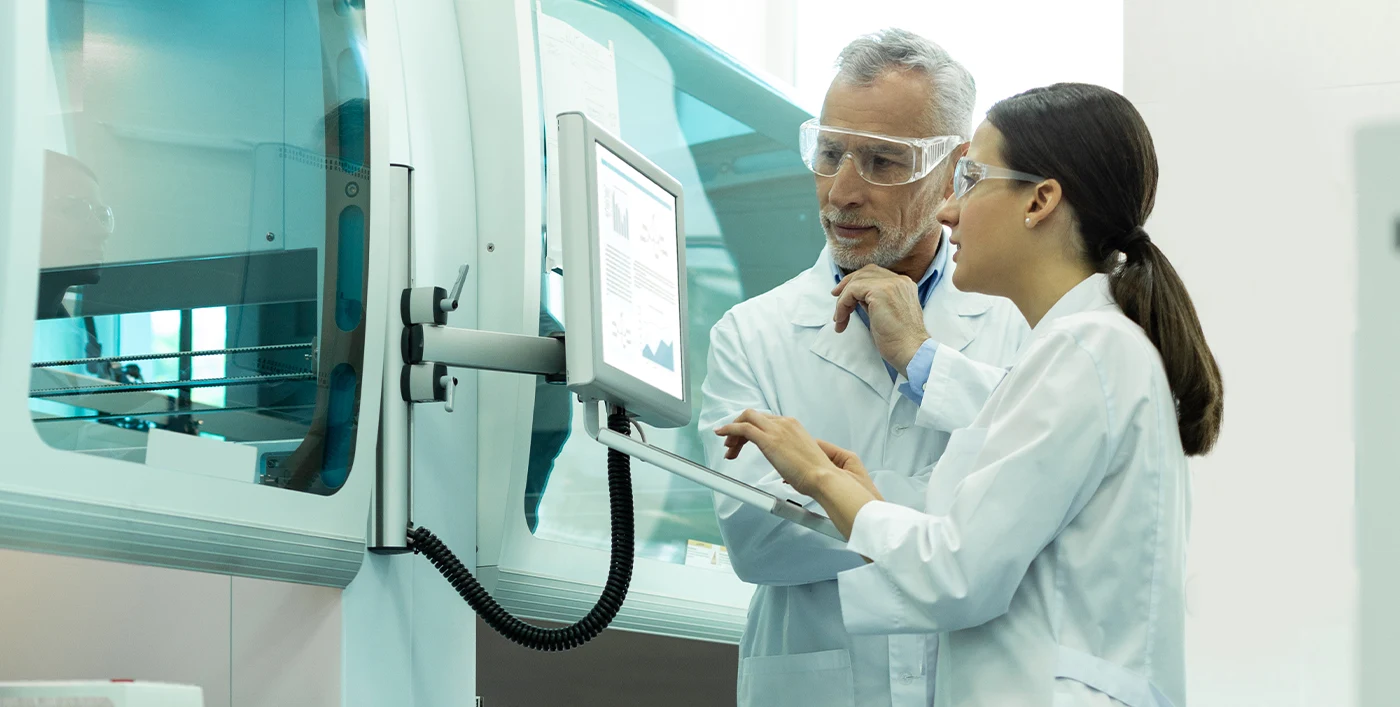
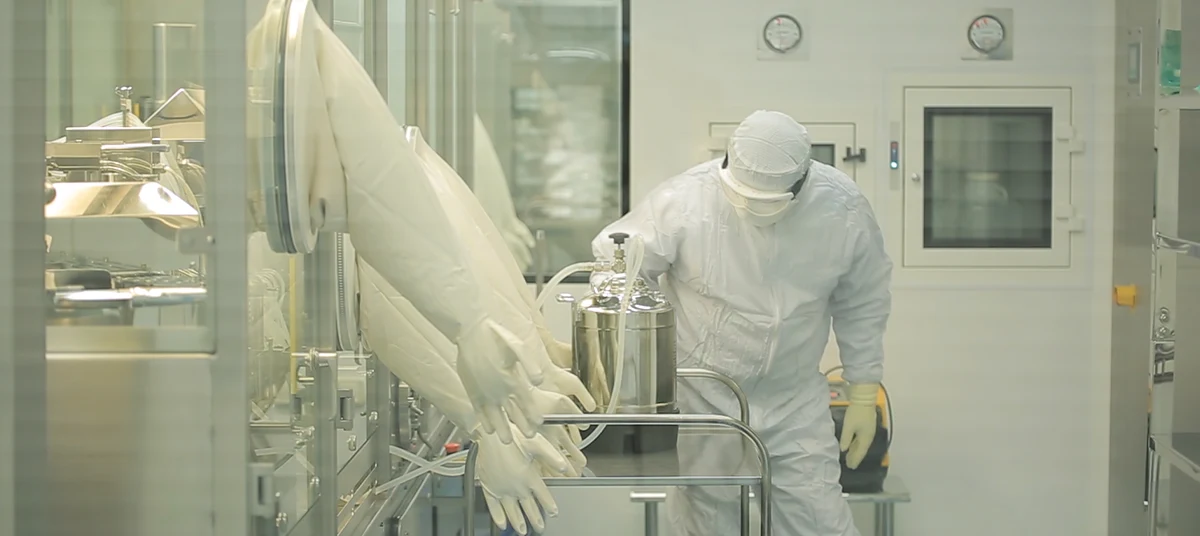
Sensitive molecular work depends on strict separation between reagent preparation, sample extraction, amplification and post-PCR analysis. We plan these areas as a controlled sequence, coordinating air pressure, HEPA filtration, monitoring, equipment, non-porous surfaces, lighting, data connections and secure access to reduce the risk of amplified material returning to clean zones.

What Does a Safe PCR Lab Setup Require?

Each stage of molecular testing needs its own room conditions, equipment and access rules. The space must stop staff, supplies and amplified material from moving back into clean preparation areas.

Our services include :

We also plan dedicated equipment, reagent and freezer storage, cleaning points, waste routes and space for future sequencing systems without weakening the separation between work areas.

Discuss Your PCR Lab Setup
How Cleanroom Laboratory Design Separates Each Testing Zone

Clean-to-Dirty Movement

Staff, samples and supplies move from clean preparation areas towards amplification and analysis, without returning through rooms used for earlier stages.

Separate Rooms for Each Stage

Reagent preparation, sample extraction, PCR setup, amplification and post-PCR analysis are given separate areas based on the laboratory’s testing process.

Controlled Air Between Rooms

Positive and negative pressure zones control airflow direction, while HEPA filters and pressure monitors help maintain the required room conditions.

Equipment Kept Within Its Zone

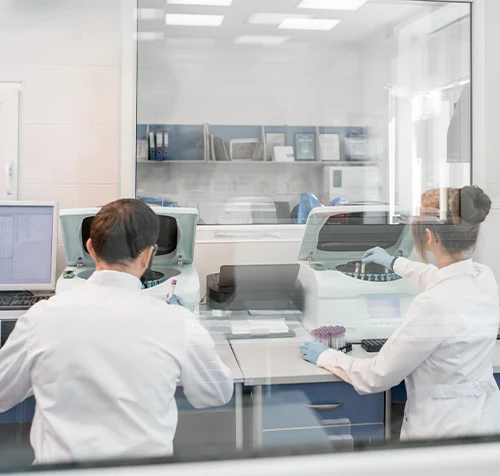
Pipettes, centrifuges, refrigerators and consumables are assigned to specific areas, reducing the need to move equipment between clean and amplified-product zones.

Furniture Made for Molecular Work

Non-porous benches surround molecular equipment, while modular furniture lets staff adjust work areas as instruments or testing needs change.

Lighting for Detailed Tasks

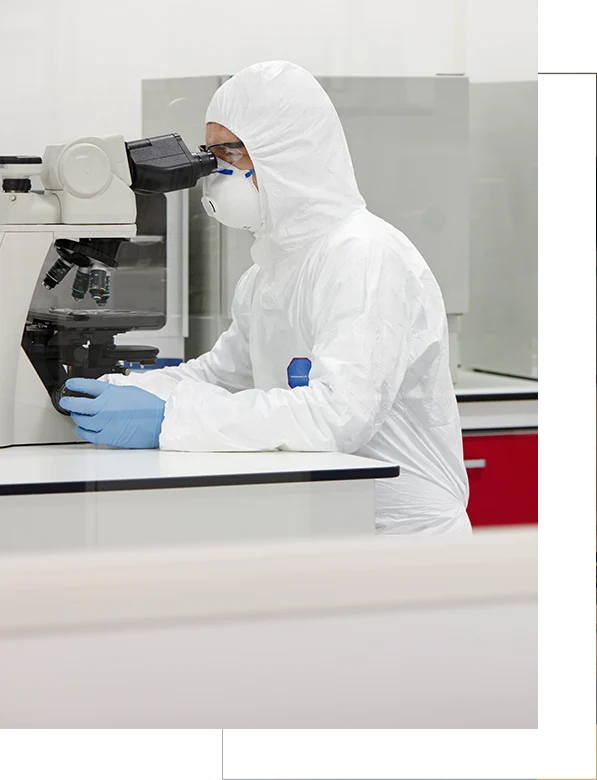
Glare-free lighting is planned around microscopy, sample preparation and other focused work, helping staff see clearly without uncomfortable reflections from work surfaces.

Networks for Sequencing Data

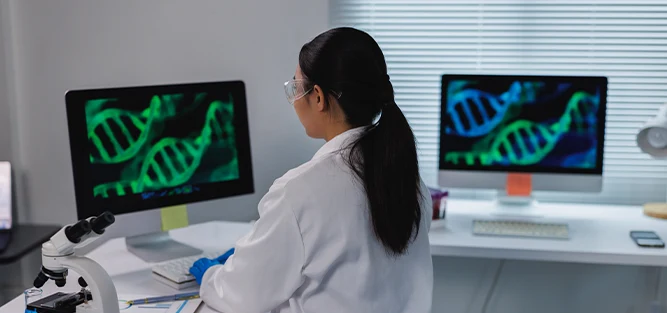
Power, data points and secure networks are planned for sequencing equipment, sample tracking and the transfer of large genomic data files.

Access Limited to Approved Staff

Biometric or card-controlled doors limit entry to sensitive areas and help protect samples, equipment, research information and restricted testing zones.

Start Planning Your Genomic
Laboratory With Us

How We Plan and Build a Molecular Biology Lab

01

Understanding the Testing Work

We begin by reviewing the testing methods, expected sample numbers, staffing, equipment list and security needs with the laboratory team.

02

Setting the Room Sequence

We map each testing stage and agree on which rooms, doors, and controlled routes are needed before preparing the main project drawings.

03

Checking Equipment Requirements

We check equipment data sheets and record the power, data, cooling, ventilation, bench space and maintenance access needed in each room.

04

Preparing Drawings and Approvals

We prepare coordinated drawings, confirm the project scope, and manage required submissions, comments, and changes before site work begins.

05

Completing the Site Work

We complete the rooms, install furniture and access controls, and work with suppliers to place specialist equipment correctly during site work.

06

Testing Before Handover

We check room pressure, filtration, monitors, networks, and access controls, complete remaining work, and prepare the agreed documents for handover.

Why Choose Us for Your PCR Laboratory Design?

Planning Starts with Testing Risks

Before we begin, we review the tests being carried out, where contamination could occur and the conditions each room needs. This gives the laboratory a layout shaped around its work.

Lab Users Included in Decisions

We involve laboratory managers, technicians, equipment suppliers, and engineering specialists in key decisions, helping room layouts and technical systems reflect how testing will actually be carried out each day.

Room Details Recorded Clearly

We record each room separately, including its equipment, finishes, pressure, filtration, power, data, and access needs, giving the project team one clear reference throughout each stage of on-site construction.

Controls Checked Before Opening

We check pressure relationships, HEPA filtration, room monitors and access controls before handover, helping the client identify problems before sensitive testing begins inside the completed facility for the first time.

Samples and Data Protected Together

We consider sample storage, tracking, sequencing equipment, network security and room access as one connected system. This keeps samples and genomic information limited to authorised users.

Space for New Testing Methods

The layout leaves practical space for additional equipment, new testing methods and future automation. Spare service points, movable furniture and accessible routes make later upgrades easier to complete on site.

Featured Molecular Laboratory Design Projects

Here are some of our specialised laboratory projects in the UAE. Each facility was planned around contamination control, testing zones, air pressure, equipment, data and secure access. Explore our work across PCR testing, genomic sequencing and controlled research environments.
Talk to Us About Cleanroom Design and Construction

Contact our team to discuss a new molecular laboratory or an upgrade to an existing facility. We will review the testing process, room separation, equipment, air requirements, security and available space before arranging a site visit.

FAQ

Frequently Asked Questions

Can you upgrade an existing space into a molecular laboratory?

Yes. We first check the available space, existing services and building restrictions. This helps us confirm what we can reuse and what must change before work begins.
Yes. We provide non-porous benches, cabinets and modular laboratory furniture planned around the equipment, working height, cleaning requirements and available space in each testing area.

Yes. We can leave spare service capacity, flexible bench space and suitable access routes for new instruments, automation systems or additional testing requirements planned for the future.

Yes. We can assign card or biometric access to selected rooms, helping the facility control who enters sensitive testing, research, sample storage and data areas.

We check airflow direction, room pressure readings, HEPA filtration and monitoring devices before handover. Any issues found during these checks are recorded and corrected.

Yes. We prepare the required technical drawings and coordinate project submissions, comments and inspections according to the approval process that applies to the facility.