
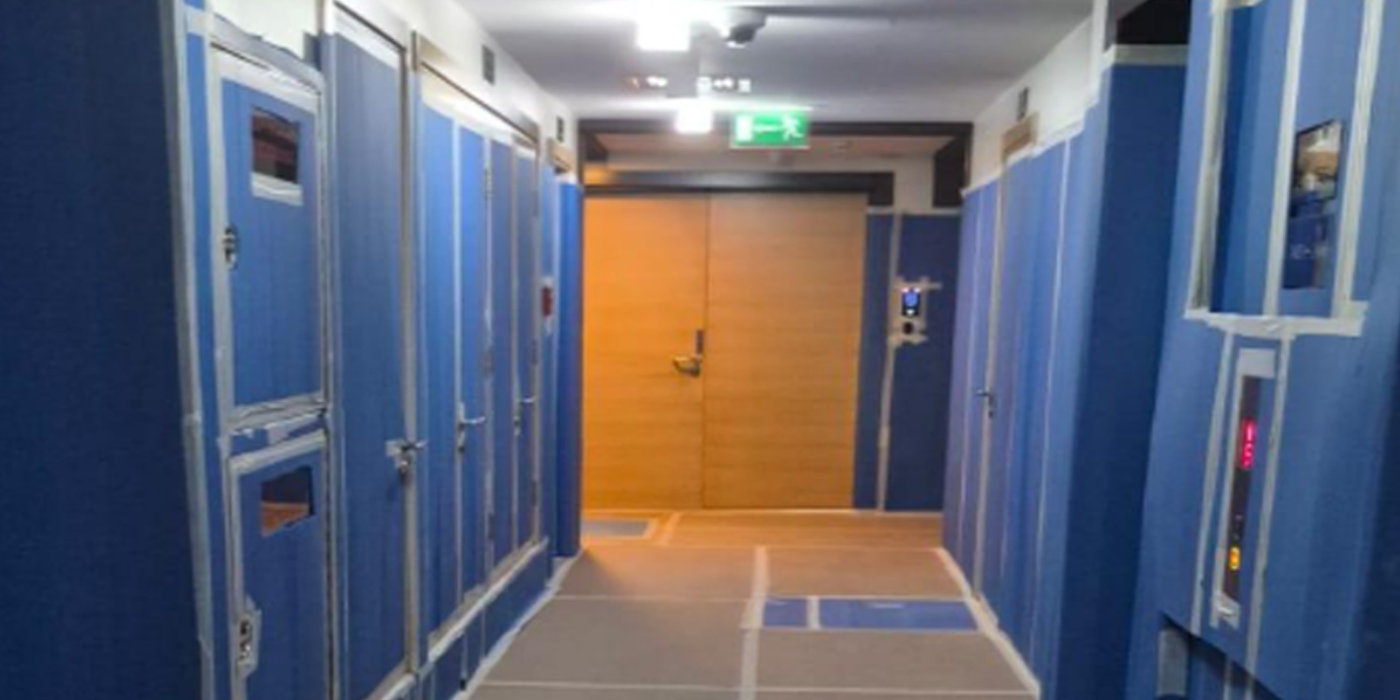
Protection is essential in any construction, renovation, or fit-out project, especially in tall towers and large communities where people continue to live and work while construction is underway.
Proper protection helps safeguard existing floors, walls, ceilings, doors, elevators, glass, furniture, MEP services, and other finished areas from damage. It also helps control dust, debris, noise, and access, creating a safer and cleaner environment for workers and building occupants.
For contractors, protection is also a practical way to save time, reduce costs, and avoid unnecessary discussions. Before starting work, inspect and document the existing condition with photographs. Then properly cover and protect sensitive areas, and clearly agree on responsibilities and access arrangements with building management.
Good protection prevents rework, repairs, complaints, delays, and potential disputes. It also demonstrates the contractor’s professionalism and respect for the client’s property and the surrounding community.
Most importantly, protection gives the contractor peace of mind. When the area is inspected, documented, protected, and clearly communicated before work begins, everyone has a common understanding of the project conditions.
Protect first, work safely, and communicate clearly. This simple approach helps deliver projects more efficiently, professionally, and without unnecessary problems.
Good protection today means fewer problems tomorrow.
Choosing the Right Protection for the Site
Not every surface can be covered in the same way. A tiled floor may need sheets and protective boards, while glass, doors, wall finishes, and elevator interiors need materials suited to them.
The covering must stay in place during the work without damaging the finish below. It should not create raised edges that people can trip over or block fire exits, alarms, access panels, and emergency equipment.
Controlling Movement Through the Building
Workers often need to move tools, materials, and waste through shared areas. In an occupied tower, these movements should be planned before work begins.
The building management may assign specific elevators, loading areas, entrances, and working hours. Following these arrangements reduces disruption to residents, employees, visitors, security teams, and other contractors.
Cover dusty materials and construction waste before workers leave the work area. Check and clean shared corridors and elevators after each delivery or waste removal.
Keeping the Protection in Good Condition
Protection can become loose or damaged as people, tools, and materials move through the site. For this reason, the site team should check the covered areas during the work instead of leaving them until the project is finished.
Busy periods such as demolition, deliveries, and waste removal may require more frequent checks. Torn sheets, loose boards, and uncovered surfaces should be dealt with straight away. If any damage occurs, it should be photographed and reported before the work continues.
A Small Step That Prevents Larger Problems
Protecting the site may seem like a simple task, but overlooking it can lead to repairs, complaints, and delays. These problems often take more time and money to resolve than the initial protection would have required.
The protection should be planned before work starts and maintained until the project is complete. This helps the contractor work with fewer interruptions while keeping the building and its shared areas in good condition.